
ABOUT LAST
CHANCE
Water Scarcity in New Mexico
Water has historically been a scarce resource in New Mexico. Rising temperatures, prolonged droughts, and increasing population demands have intensified water shortages, making them one of the state’s most critical environmental challenges. Major rivers, including the Rio Grande, supply drinking water, agricultural irrigation, and habitats for wildlife. However, many sections of these waterways are diminishing annually.
Climate change has exacerbated drought conditions across the Southwest. Earlier snowmelt in nearby mountains reduces the volume of water reaching rivers during peak summer months. As a result, farmers, urban areas, and Native communities increasingly compete for limited water resources.
Agriculture accounts for a significant share of New Mexico’s water consumption. Crops including chile peppers, pecans, and alfalfa require substantial irrigation, particularly during arid summers. Water scarcity can result in reduced crop yields and economic losses for farmers. Wildlife is similarly impacted, as fish and birds rely on healthy wetlands and rivers for survival.
Communities across New Mexico are actively seeking solutions to address water scarcity. Conservation initiatives promote reduced water consumption through efficient appliances, restricted lawn irrigation, and water reuse. Several cities are investing in technologies for wastewater recycling, while others prioritize the protection of underground aquifers from excessive extraction.
Water scarcity in New Mexico constitutes not only an environmental concern but also an economic and social challenge. The sustainability of agriculture, wildlife, and daily life in the state depends on the effective management and conservation of limited water resources.
Wildfires and Forest Damage in New Mexico
Wildfires have grown more destructive in New Mexico in recent years. Elevated temperatures, desiccated vegetation, and strong winds create conditions conducive to large-scale fires that endanger forests, wildlife, and human settlements.
Historically, small natural fires maintained forest health by removing dead vegetation and promoting new growth. Decades of fire suppression have resulted in overcrowded forests with accumulated dry biomass. When combined with drought and climate change, these factors enable fires to spread rapidly and burn with increased severity. Examples were the 2022 Hermits Peak–Calf Canyon Fire, the largest wildfire in New Mexico history. Thousands of residents were forced to evacuate, homes were destroyed, and large areas of forest were permanently damaged. Smoke from these fires also created dangerous air quality conditions that affected public health.
Wildfires affect ecosystems through habitat loss for animals, soil degradation, and increased susceptibility of burned land to flooding and erosion. Post-fire rainfall can transport ash and debris into rivers, leading to water contamination.
To mitigate future wildfire risks, forest management programs are increasingly implemented. Controlled burns and thinning projects remove excess vegetation that could otherwise fuel large fires. Firefighters and scientists employ advanced technologies to monitor environmental conditions and enhance response times to emerging fires.
With ongoing changes in climate conditions, New Mexico is expected to experience extended wildfire seasons and larger, more intense fires. Effective protection of forests and communities will necessitate collaboration among government agencies, scientists, and local stakeholders.
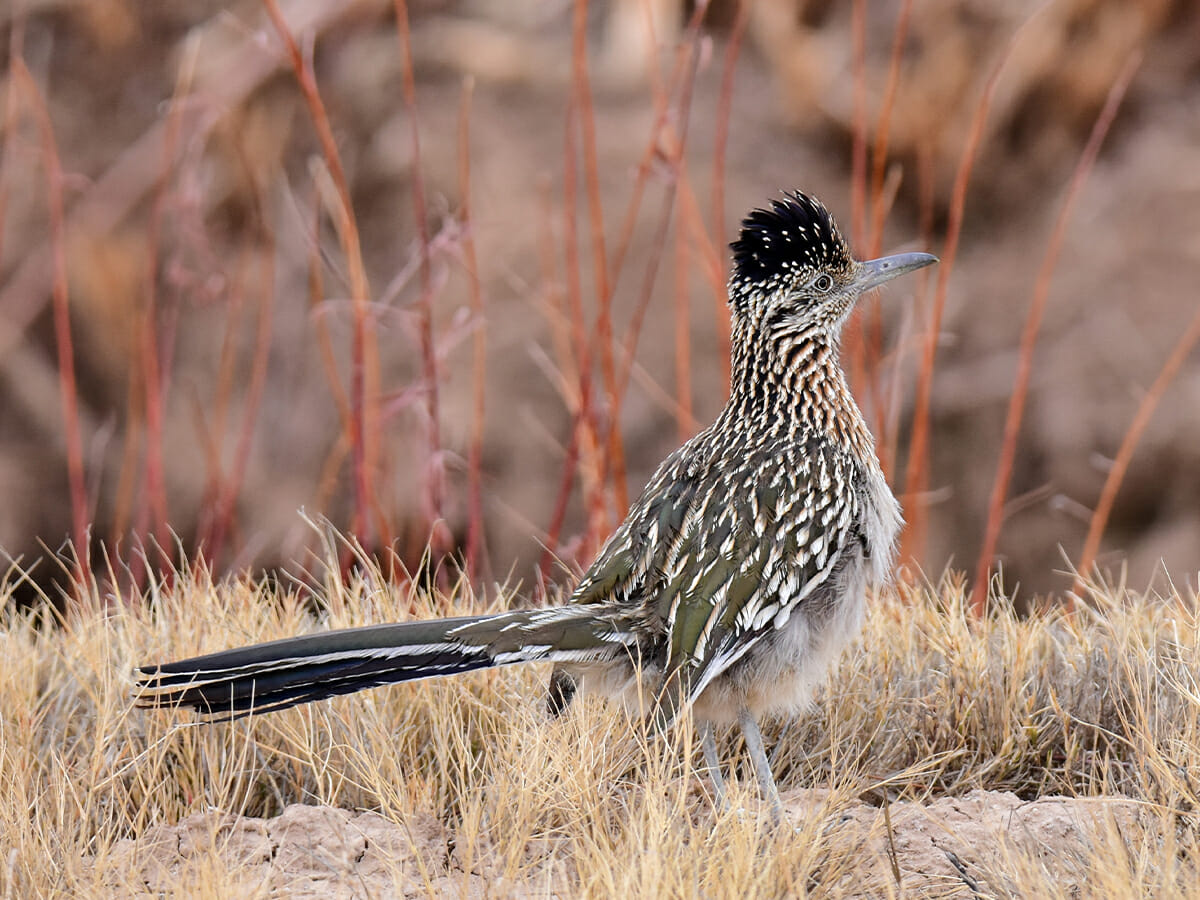
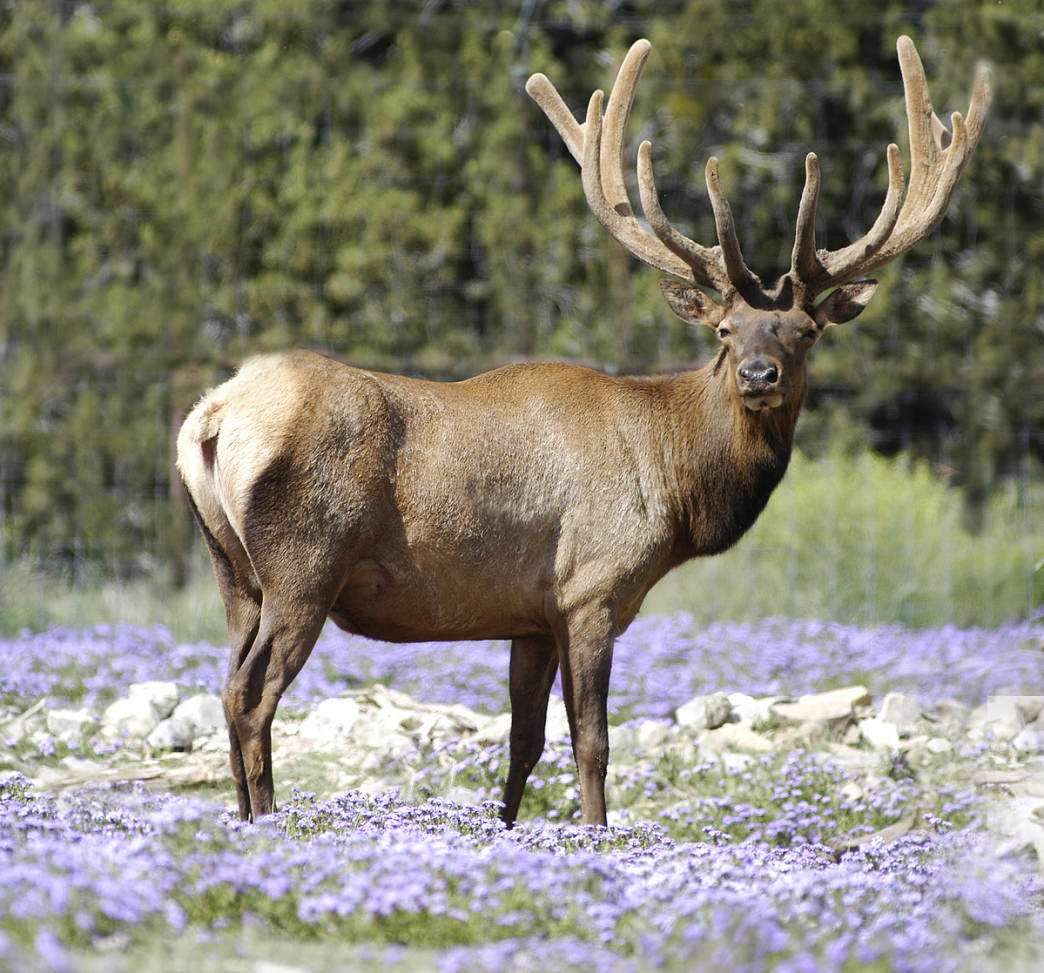
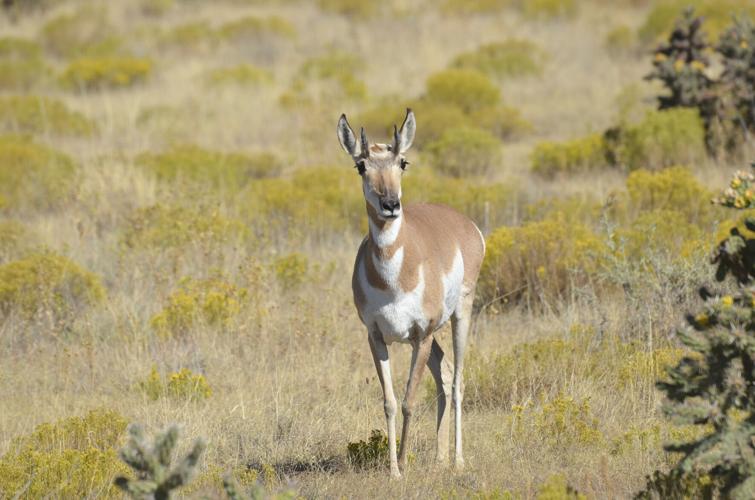
NM WILDLIFE



Air Pollution from Oil and Gas Production
New Mexico ranks among the nation’s leading producers of oil and natural gas. This industry supports employment and generates substantial revenue for the state economy. However, energy production is also associated with significant environmental challenges, particularly since a significant portion of New Mexico’s oil and gas extraction occurs in the Permian Basin, located in the southeastern region of the state. Drilling operations emit pollutants, including methane, volatile organic compounds, and other gases into the atmosphere. Methane is particularly problematic due to its high heat-trapping capacity, which contributes substantially to climate change.
Air pollution resulting from drilling activities can adversely affect human health. Residents near production sites may experience respiratory issues, headaches, and diminished air quality. Researchers have expressed concerns regarding the long-term health effects of exposure to pollutants released during extraction and transportation.
Environmental organizations and state authorities advocate for stricter regulations to reduce emissions. Recent policies mandate that companies monitor leaks, capture excess methane, and minimize gas flaring. Additionally, some companies are investing in cleaner technologies to mitigate environmental impacts while maintaining production.
Balancing economic development with environmental protection presents a significant challenge for New Mexico. The oil and gas sector funds schools, infrastructure, and public services through tax revenue. However, many residents advocate for stronger environmental safeguards to protect public health and mitigate the impacts of climate change.
The long-term health of New Mexico’s environment will depend on the state’s ability to transition to cleaner energy sources while effectively managing the environmental impacts of ongoing fossil fuel production.